
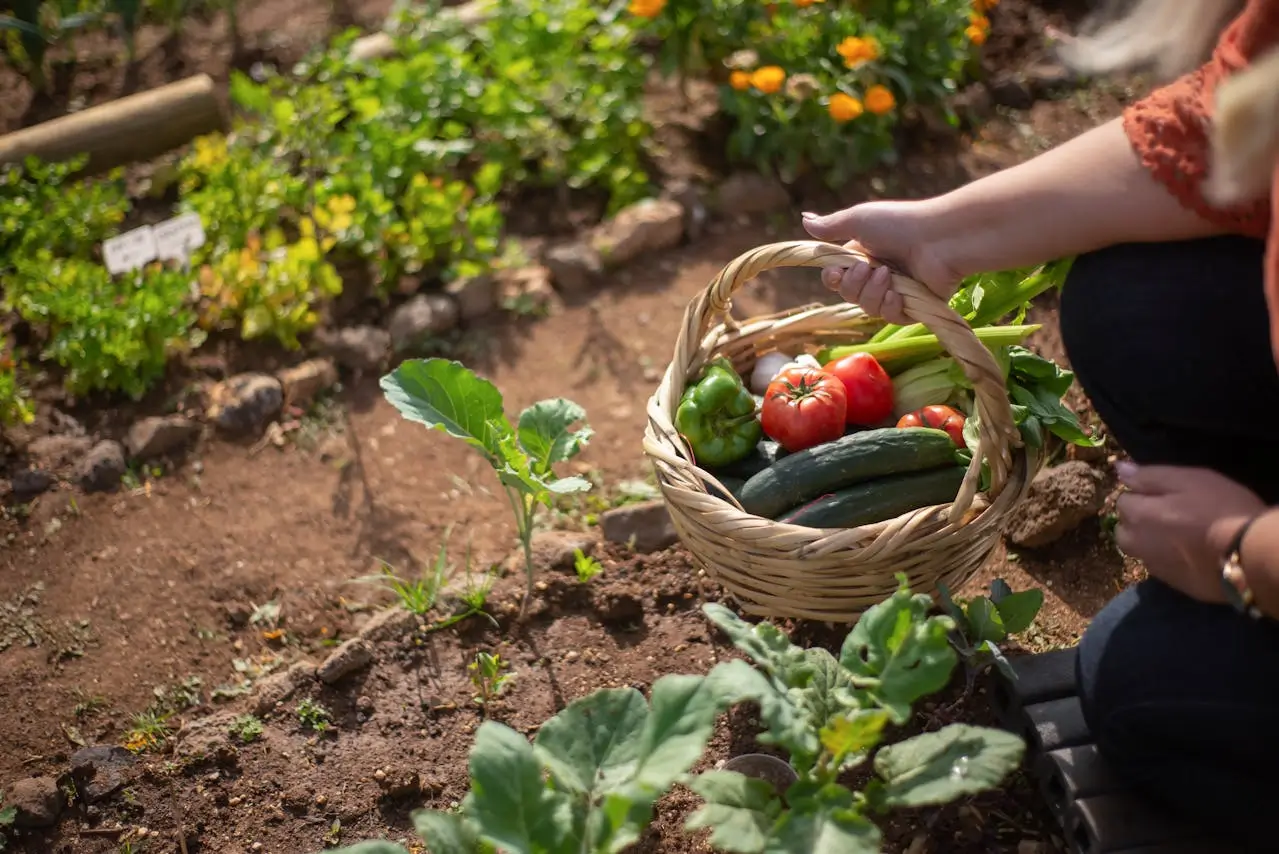

I still remember the first summer I spent in my tiny third-floor apartment in downtown Chicago. The view was great, but the space was purely concrete. I craved the smell of fresh soil and the taste of a tomato that hadn’t spent a week in a delivery truck. One Saturday, after a quick trip to the local hardware store, I decided I was finally starting a balcony vegetable garden. My neighbors thought I was crazy for trying to grow food in such a small space, but by August, I was harvesting enough cherry tomatoes to share with the whole floor.
If you’re a busy professional living in a city, you probably think you don’t have the space or time for a garden. But let me tell you, your balcony is a goldmine waiting to happen. Whether you have a small mudroom to store your tools or just a tiny railing to hang a few pots, starting a balcony vegetable garden is the ultimate way to bring nature into your urban life. It’s not just about the food; it’s about that quiet moment in the morning when you check your plants before the first Zoom call of the day starts.
9 Essential Steps for Starting a Balcony Vegetable Garden Today
The biggest mistake people make is thinking that a “real” garden has to be in a backyard. Honestly, I’ve found that a balcony vegetable garden can be even more productive because it’s easier to manage. You don’t have to deal with heavy tilling or large-scale pests. However, you do need to be smart about your layout. In many Western apartments, space is at a premium, so every square inch counts.
When you begin starting a balcony vegetable garden, you have to consider the weight and the wind. I once put a heavy ceramic pot on my railing without checking the weight limit—let’s just say my landlord wasn’t thrilled. Always opt for lightweight containers and ensure your plants are secured against those high-altitude winds that hit apartment buildings in cities like New York or London.
1. Evaluate Your Sunlight Levels
Before you buy a single seed, you need to know how much sun your balcony actually gets. Most vegetables need at least 6–8 hours of direct light. If your balcony faces North, you might struggle with sun-loving peppers, but you’ll have great success with leafy greens. When starting a balcony vegetable garden, I always suggest using a sun-tracking app for a day to see exactly where the rays hit your space.
If you have a shaded balcony, don’t worry. You can still have a thriving balcony vegetable garden by focusing on herbs like mint and parsley, or greens like spinach and kale. These plants actually prefer a bit of protection from the harsh afternoon sun, especially if you’re living in a warmer climate like Australia or the Southern USA.
2. Choose the Right Containers
In the world of urban gardening, the container is everything. You want pots that have excellent drainage but can also hold onto moisture. For a high-yield balcony vegetable garden, I highly recommend self-watering pots. They are perfect for the busy professional because they have a reservoir at the bottom, so if you’re stuck at the office late, your plants won’t wilt in the heat.
I’ve found that fabric grow bags are also fantastic for starting a balcony vegetable garden. They are lightweight, cheap, and provide great aeration for the roots. Plus, when the season is over, you can just wash them, fold them up, and store them in your pantry or mudroom closet without taking up much space at all.
3. Vertical Gardening is Your Best Friend
When floor space is limited, you have to look up. Vertical gardening is the secret sauce for a successful balcony vegetable garden. Use wall-mounted planters, hanging baskets, or even a simple wooden pallet to create more growing room. I once grew an entire crop of cucumbers vertically on a small trellis, and it looked like a beautiful green wall.
Trellises aren’t just for climbing vines; they also keep your fruit off the ground, which prevents rot and pests. If you have a railing, use balcony boxes that hang on the outside. This frees up your floor space for a small chair where you can enjoy your morning coffee surrounded by your balcony vegetable garden.
4. Invest in High-Quality Potting Mix
Please, I am begging you, do not use regular garden soil from the ground in your pots. It’s too heavy and can contain pests or diseases. For a thriving balcony vegetable garden, you need a high-quality potting mix. These mixes are specifically designed to be lightweight and well-draining, which is essential for container gardening.
Look for a mix that contains perlite or vermiculite and a bit of organic compost. Since your plants are in pots, they can’t search for nutrients in the ground, so you have to provide everything they need. A good potting soil is the foundation of any high-yield balcony vegetable garden and is worth the extra few dollars.
5. Selecting High-Yield Varieties
If you want to harvest a lot of food from a small space, you have to pick the right varieties. Look for words like “patio,” “dwarf,” or “bush” on your seed packets. These are varieties bred specifically for containers. When I first started my balcony vegetable garden, I tried to grow a giant heirloom tomato that ended up taking over the whole balcony. Now, I stick to cherry tomatoes and bush varieties that stay compact.
Herbs are also a must-have for a balcony vegetable garden. They are expensive at the grocery store but incredibly easy to grow at home. Imagine walking from your living room to your balcony to snip some fresh basil for your pasta. It’s a small luxury that makes city living feel so much more grounded.
6. Water Management Strategies
Watering a balcony vegetable garden can be tricky. Pots dry out much faster than the ground, especially on a windy balcony. During the peak of summer, you might need to water every single day. I usually do this in the early morning before I start my workday. It’s a great way to clear my head before diving into my SEO tasks and digital marketing projects.
If your balcony doesn’t have a hose hookup, you’ll be carrying a lot of water from your kitchen or laundry room. Invest in a large, stylish watering can that you don’t mind leaving out as decor. Or, if you want to be really high-tech with your balcony vegetable garden, you can set up a small drip irrigation system that runs off a battery-powered timer and a water reservoir.
7. Fertilizing for Success
Since container plants have limited soil, they run out of nutrients quickly. To keep your balcony vegetable garden producing all summer, you’ll need to fertilize regularly. I prefer using a liquid organic seaweed fertilizer every two weeks. It’s easy to mix and provides an instant boost to the plants.
Think of fertilizer as food for your garden. If you want those heavy yields of tomatoes and peppers, you can’t skip this step. I keep my fertilizer tucked away in a small bin in my mudroom so it’s easy to grab when I’m doing my Saturday morning garden chores.
8. Dealing with Urban Pests
You might think being on the 5th floor keeps you safe from bugs, but nature always finds a way. Aphids and spider mites are the most common pests in a balcony vegetable garden. I once had a whole crop of kale nearly ruined by tiny green aphids. The trick is to catch them early.
Check the undersides of your leaves once a week. If you see anything suspicious, a simple spray of neem oil or soapy water usually does the trick. Maintaining a healthy balcony vegetable garden is mostly about observation. The more time you spend out there, the easier it is to keep things running smoothly.
9. Protecting Your Harvest from the Elements
Western weather can be unpredictable. A sudden hailstorm in the Midwest or a heatwave in Australia can wipe out a balcony vegetable garden in hours. Be prepared to move your pots or cover them if the weather gets extreme. I keep a few pieces of frost cloth in my pantry for those unexpected late-spring chills.
Also, consider the heat radiating from the floor of your balcony. If you have a concrete or metal floor, it can get incredibly hot. Elevating your pots on small wooden slats or “pot feet” can help keep the roots cool and prevent your balcony vegetable garden from cooking in the summer sun.
Frequently Asked Questions
Q: Can I grow vegetables on my balcony if it only gets 3 hours of sun? A: While most veggies love the sun, you can still have a balcony vegetable garden in low light. Focus on leafy greens like lettuce, arugula, and kale, as well as herbs like mint, chives, and cilantro. They will grow a bit slower, but they will still be delicious!
Q: What are the easiest vegetables to start with? A: For beginners, I always recommend starting your balcony vegetable garden with herbs, radishes, and lettuce. They grow fast and don’t require much space. Cherry tomatoes are also a great choice if you have a sunny spot.
Q: How do I prevent water from dripping onto my neighbor’s balcony? A: This is a common urban gardening struggle! Always use saucers under your pots to catch excess water. If you’re starting a balcony vegetable garden with hanging boxes, look for “no-drip” models that have an internal reservoir.
Q: Can I keep my balcony vegetable garden going in the winter? A: If you live in a place with mild winters, you can grow cool-season crops like spinach and carrots. In colder climates, you might need to move your balcony vegetable garden indoors or use a small greenhouse cover to protect your plants from the snow.
Post By SJ Sinan

Leave a Comment