

Let’s be real—we’ve all had that moment where we scroll through Pinterest, see a stunning home forest, and think, “I want that.” But then reality hits. You look at your empty mudroom or that dark corner in your basement and wonder if you can actually pull it off. I remember when I first started designing an indoor jungle in my own apartment. I bought five different plants, put them all in one spot, and hoped for the best. Spoiler alert: three of them didn’t make it because I hadn’t thought about the specific needs of each leafy friend.
If you’re a busy professional, you don’t have hours to spend on gardening. But you still deserve a space that feels like a sanctuary. Designing an indoor jungle isn’t just about cramming as many plants as possible into your living room; it’s about creating a sustainable, living ecosystem that fits your lifestyle. Whether you’re working from home in a high-rise in New York or a suburban house in Sydney, a little bit of green can completely change the vibe of your day.
Why Designing an Indoor Jungle is the Ultimate Home Upgrade
In today’s fast-paced world, our homes have become our offices, gyms, and retreat centers. Designing an indoor jungle is one of the few home improvement projects that actually pays off in mental health benefits. I’ve noticed that since I filled my living room with greenery, my stress levels during long Zoom calls have dropped significantly. There’s something about the presence of a Monstera or a tall Fiddle Leaf Fig that makes even the most chaotic workday feel a bit more manageable.
When you start designing an indoor jungle, you’re not just decorating; you’re improving your indoor air quality. Most modern homes are tightly sealed, which can trap pollutants. Plants act as natural filters. If you have a large pantry or a laundry room that feels a bit stale, adding a few hardy plants can make a world of difference. It’s about blending functionality with aesthetic beauty in a way that feels effortless.
Picking Your Foundation Plants
Every great jungle needs a few “anchor” pieces. These are the larger plants that set the stage. When you are designing an indoor jungle, think about where your eye goes first when you walk into the room. A massive Bird of Paradise or a bushy Rubber Tree can fill an empty corner perfectly. These plants provide the height and structure that every indoor forest needs to feel authentic.
I always suggest starting with plants that are hard to kill. I have a Snake Plant in my mudroom that has survived weeks of neglect during my busiest blogging months. Once you have your anchors in place, you can start layering in smaller, more delicate species. This layering technique is the secret to making your jungle look like it grew there naturally over years.
Mastering the Art of Layering
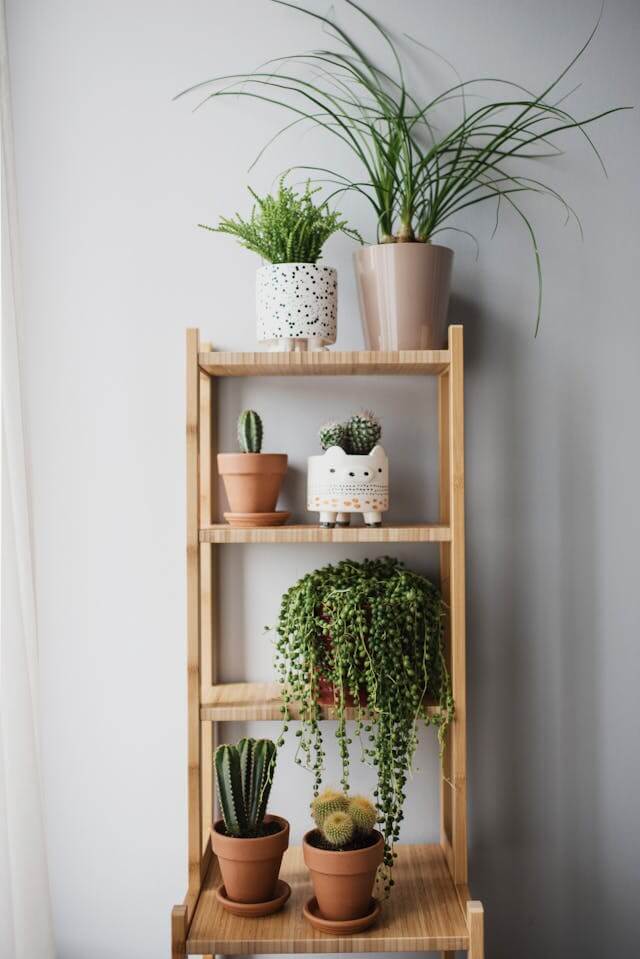
Layering is what separates a “collection of plants” from a true indoor forest. When designing an indoor jungle, use different heights. Put some plants on the floor, some on plant stands, and hang others from the ceiling. I love using tiered wooden stands from local shops—they add a rustic, organic touch to a modern living room.
Don’t forget about your shelves! A trailing Pothos draped over a bookshelf or a kitchen pantry shelf adds that “wild” look that we all love. In my living room, I’ve used a mix of hanging baskets near the window and smaller succulents on the coffee table. This variety in height and texture is essential when you are designing an indoor jungle that feels immersive and lush.
Lighting: The Make-or-Break Factor
You can have all the enthusiasm in the world, but if you don’t respect the light, your jungle will struggle. Before you start designing an indoor jungle, spend a day watching how the sun moves through your room. Does your living room get bright, direct light in the morning, or is it mostly shaded?
If you have a basement living space with tiny windows, you’ll need to stick to low-light champions like the ZZ Plant or Aglaonema. On the other hand, if you have floor-to-ceiling windows, you can go wild with tropical palms. I once tried to put a sun-loving cactus in a dark corner of my pantry, and it was a disaster. Now, I always match the plant to the light, not the other way around.
Managing Humidity in Western Homes
Most tropical plants love humidity, but our homes—especially in the USA and Europe—can be quite dry due to central heating. When designing an indoor jungle, you have to think about how to keep your plants hydrated without turning your living room into a swamp. A simple solution is grouping your plants together. They naturally release moisture, creating a little humid micro-climate for each other.
If you’re serious about your green space, consider a small, stylish humidifier. I keep one hidden behind a large terracotta pot in my living room. It’s a small investment that pays off when you see your tropical ferns thriving instead of turning brown and crispy. It’s these small details that make designing an indoor jungle a successful long-term project.
Maintaining Your Green Sanctuary
I know you’re busy—I am too. Between managing multiple websites like jarirmart.com and blogging, I don’t have hours for plant maintenance. That’s why I recommend a “once-a-week” check-in. Every Saturday morning, I walk through my house with a watering can. I check the soil, wipe the dust off the large leaves, and look for any new growth.
This routine is the heartbeat of designing an indoor jungle. It shouldn’t feel like a chore; it should be a way to disconnect from the digital world. Wiping down the leaves of your Rubber Tree isn’t just about cleaning; it actually helps the plant breathe and absorb more light. It’s a simple, meditative task that keeps your forest looking its best.
Styling with Pots and Decor
The containers you choose are the “outfits” for your plants. To keep your jungle looking cohesive, try to stick to a theme. I personally love a mix of natural terracotta and matte black pots. It gives a modern, sophisticated look that fits perfectly in a Western home. When designing an indoor jungle, the pot should complement the plant, not distract from it.
Don’t be afraid to get creative with your placement. Use old wooden crates, vintage ladders, or even decorative baskets. I’ve seen people use the space under their mudroom benches to store smaller, shade-tolerant plants. Every nook and cranny is an opportunity for a little bit of green.
The Final Touch: Just Start!
The most important part of designing an indoor jungle is to just begin. Don’t wait until you have the “perfect” room or the “perfect” budget. Start with two or three plants that you truly love. Learn their rhythms, see how they react to your space, and then slowly add more.
Before you know it, you’ll be sitting in your living room, surrounded by a lush, breathing forest that you built yourself. It’s a journey, not a destination. And trust me, once you see that first new leaf unfurl on your Monstera, you’ll be hooked. Designing an indoor jungle is a hobby that grows with you, bringing a little bit of nature’s peace into your daily professional life.
Frequently Asked Questions
Q: Is designing an indoor jungle expensive? A: It doesn’t have to be! You can start with budget-friendly plants like Pothos or Spider Plants. As you get more comfortable, you can invest in larger, more expensive “anchor” plants. Propagating your own plants from cuttings is also a great way to grow your jungle for free.
Q: How do I prevent pests in my indoor jungle? A: The best defense is a good offense. Check your plants regularly for any signs of bugs. If you see something, treat it immediately with neem oil or insecticidal soap. Also, make sure you’re not overwatering, as damp soil can attract fungus gnats.
Q: Can I do this if I live in a dark apartment? A: Absolutely. While light is important, many plants thrive in low-light conditions. Focus on Snake Plants, ZZ Plants, and Cast Iron Plants. You can also supplement with LED grow lights that look like regular lamps to help your plants stay healthy.
Q: What is the easiest plant for designing an indoor jungle? A: Most experts agree that the Snake Plant and Pothos are the easiest. They are very forgiving of missed waterings and can handle a wide range of lighting conditions, making them perfect for beginners.
Post By SJ Sinan

Leave a Comment