
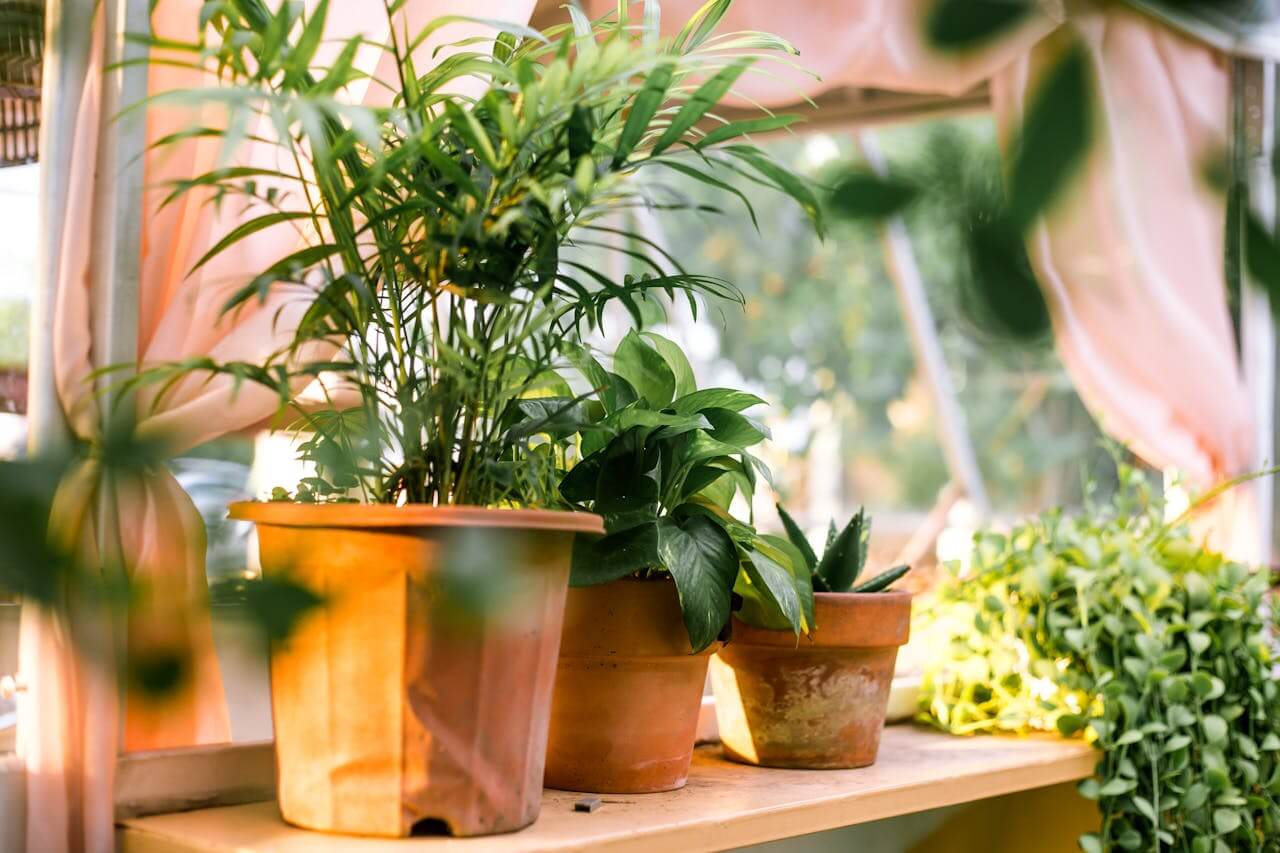

I still remember my first apartment in Seattle. It was tiny, with barely enough room for a toaster, but it had this one beautiful, sun-drenched window right above the sink. At the time, I was working long hours and surviving mostly on takeout. One Sunday afternoon, I decided I wanted my kitchen to smell like something other than old pizza boxes. I bought a small pot of basil and a sprig of mint, and just like that, I was hooked on growing kitchen windowsill herbs. There is something incredibly grounding about snipping fresh leaves while you’re prepping dinner—it makes even a simple bowl of pasta feel like a gourmet meal.
If you’re a busy professional, you probably don’t have the time to maintain a full backyard vegetable garden. But your kitchen window is a different story. It’s accessible, it’s right where you need the ingredients, and it adds a pop of life to your home. Whether your kitchen opens up into a large pantry or you have a compact mudroom nearby to store your gardening supplies, growing kitchen windowsill herbs is the easiest way to bring the “farm-to-table” experience into your urban life.
Why You Should Start Growing Kitchen Windowsill Herbs Today
When you start growing kitchen windowsill herbs, you aren’t just adding decor to your room; you are upgrading your lifestyle. Most of us in the Western world spend a lot of time in our kitchens, and having a bit of nature within arm’s reach is a proven stress-reliever. Honestly, I’ve found that even on my most hectic days managing digital marketing projects, taking thirty seconds to smell my fresh rosemary calms me down instantly. It’s a small, low-effort hobby with high-yield rewards.
The beauty of kitchen windowsill herbs is that they don’t require a green thumb. These plants are generally hardy and thrive in the controlled environment of a modern home. Whether you live in a drafty farmhouse in England or a sleek apartment in Sydney, as long as you have a window that gets a few hours of light, you can have a thriving indoor garden. It’s about making your space work for you, combining the practicality of a pantry with the beauty of a greenhouse.
1. Basil: The Queen of the Windowsill
If you only choose one herb to start with, make it Basil. It is arguably the most popular of all kitchen windowsill herbs because of its incredible aroma and culinary versatility. Whether you’re making fresh pesto, tossing it into a Caprese salad, or just garnishing a pizza, fresh basil is unmatched. I remember my neighbor in Boston used to grow three different varieties of basil on her sill, and her whole hallway smelled like a summer garden in Italy.
Basil loves the sun. It needs at least 6 hours of bright light to stay lush and green. If you live in a place with cold winters, make sure the leaves don’t touch the cold glass of the window, as they can get “frostbite” quite easily. Keep the soil moist but not soggy, and always snip from the top to encourage the plant to grow bushier rather than taller.
2. Mint: The Refreshing Multitasker
Mint is one of those kitchen windowsill herbs that is almost impossible to kill—which makes it perfect for beginners! It’s incredibly vigorous and will grow as much as you let it. I love having mint on my windowsill for making fresh tea or adding a cooling touch to a summer salad. In many Australian homes, a glass of “iced mint tea” is a staple during the hot months, and having it fresh on the sill is a game-changer.
Because mint can be a bit of a “space hog,” I always recommend growing it in its own separate pot. If you put it in a large trough with other herbs, it will quickly take over the whole space. It doesn’t need as much direct sun as basil, making it a great choice for windows that face North or are partially shaded by a mudroom overhang or a nearby building.
3. Parsley: The Unsung Hero of the Kitchen
We often think of parsley as just a garnish, but it is actually a powerhouse of flavor and nutrition. It’s one of the best kitchen windowsill herbs because it is so forgiving. It can handle slightly cooler temperatures, which is great if your kitchen is near a drafty back door or a basement entrance. I always keep a pot of flat-leaf Italian parsley right next to my stove for easy access.
Parsley is a bit slow to grow from seed, so I usually suggest buying a small starter plant from your local nursery. It likes consistent moisture, so don’t let the soil dry out completely. If you’re a fan of making your own stocks or soups, you’ll find yourself reaching for your windowsill parsley almost every single day.
4. Thyme: The Low-Maintenance Champion
If you’re a professional who travels frequently for work, Thyme might be your favorite of all the kitchen windowsill herbs. It is incredibly drought-tolerant and doesn’t mind if you forget to water it for a few days while you’re away on a business trip. Its tiny, fragrant leaves add a sophisticated earthy flavor to roasted meats, stews, and even baked breads.
Thyme loves a sunny spot and well-draining soil. I actually like to mix a little bit of sand or perlite into my potting mix for thyme to ensure the roots stay dry. It has a beautiful, trailing habit, so it looks lovely when placed on a high windowsill where the vines can drape down slightly, adding a touch of “wild” to your kitchen decor.
5. Chives: The Easy-Going Onion Flavor
Chives are essentially “set it and forget it” kitchen windowsill herbs. They grow in clumps and look like bright green grass, adding a modern, minimalist look to your window. Whenever you need a hint of onion or garlic flavor, you just snip off a few stalks with a pair of kitchen shears. They are perfect on top of baked potatoes, in omelets, or mixed into cream cheese.
Chives are very hardy and can tolerate a wide range of light conditions. They are also perennials, meaning if you take care of them, they will keep growing back for years. I’ve had the same pot of chives on my windowsill through three different house moves—they are like old friends at this point!
Styling Your Windowsill Garden for a Modern Home
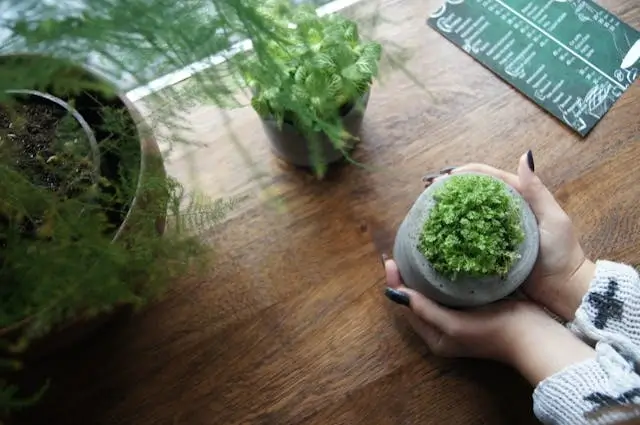
When you are growing kitchen windowsill herbs, aesthetics matter just as much as the plants themselves. You don’t want your kitchen to look cluttered or messy. For a sleek, Western-style home, I suggest using a matching set of pots. Matte black, white, or even natural terracotta pots can create a cohesive look that matches your pantry or mudroom cabinetry.
- Group by Light Needs: Put your sun-loving basil and thyme in the brightest spot, and let the mint and parsley take the slightly shadier corners.
- Use a Tray: Placing your pots on a long wooden or metal tray not only looks organized but also protects your windowsill from water damage.
- Label Everything: Use small wooden or slate markers to label your herbs. It adds a professional “curated” look to your indoor garden.
Maintenance Tips for Busy Professionals
Even though these are the best kitchen windowsill herbs, they still need a tiny bit of love. I’ve made it a habit to check my plants every Saturday morning while I’m waiting for my coffee to brew. It takes less than five minutes but ensures my garden stays productive all year round.
The most common mistake is overwatering. Most herbs prefer to have the top inch of soil dry out before they get another drink. If you notice tiny gnats flying around your pots, it’s a sign that the soil is too wet. Just back off on the watering for a week, and they will usually disappear on their own.
Also, don’t be afraid to harvest! The more you use your kitchen windowsill herbs, the more they will grow. Pruning them back regularly prevents them from becoming “leggy” and keeps them producing fresh, flavorful leaves for your kitchen adventures.
Frequently Asked Questions
Q: Do my kitchen windowsill herbs need special soil? A: Yes! Always use a high-quality “potting mix” rather than garden soil. Potting mix is lighter, drains better, and is sterilized so you won’t bring outdoor pests into your kitchen.
Q: My basil is turning yellow, what should I do? A: Yellow leaves are usually a sign of too much water or not enough sun. Move your pot to the brightest spot on your windowsill and make sure the pot has drainage holes at the bottom so the roots aren’t sitting in water.
Q: Can I grow these herbs in the winter? A: Absolutely. One of the best parts about kitchen windowsill herbs is that they can grow year-round as long as your house is kept at a comfortable temperature. Just be aware that they will grow more slowly in the winter due to shorter daylight hours.
Q: How do I know when to harvest my herbs? A: You can start harvesting as soon as the plant has enough leaves to spare. For most herbs, never take more than a third of the plant at one time so it has enough energy to grow back.
Post By SJ Sinan

Leave a Comment